Intramuscular injections are a frequently used method of administering medication directly into muscle tissue. This technique allows for rapid absorption of the medication through the Injections bloodstream. Before administering an intramuscular injection, it's essential to grasp the appropriate technique and precautions involved.
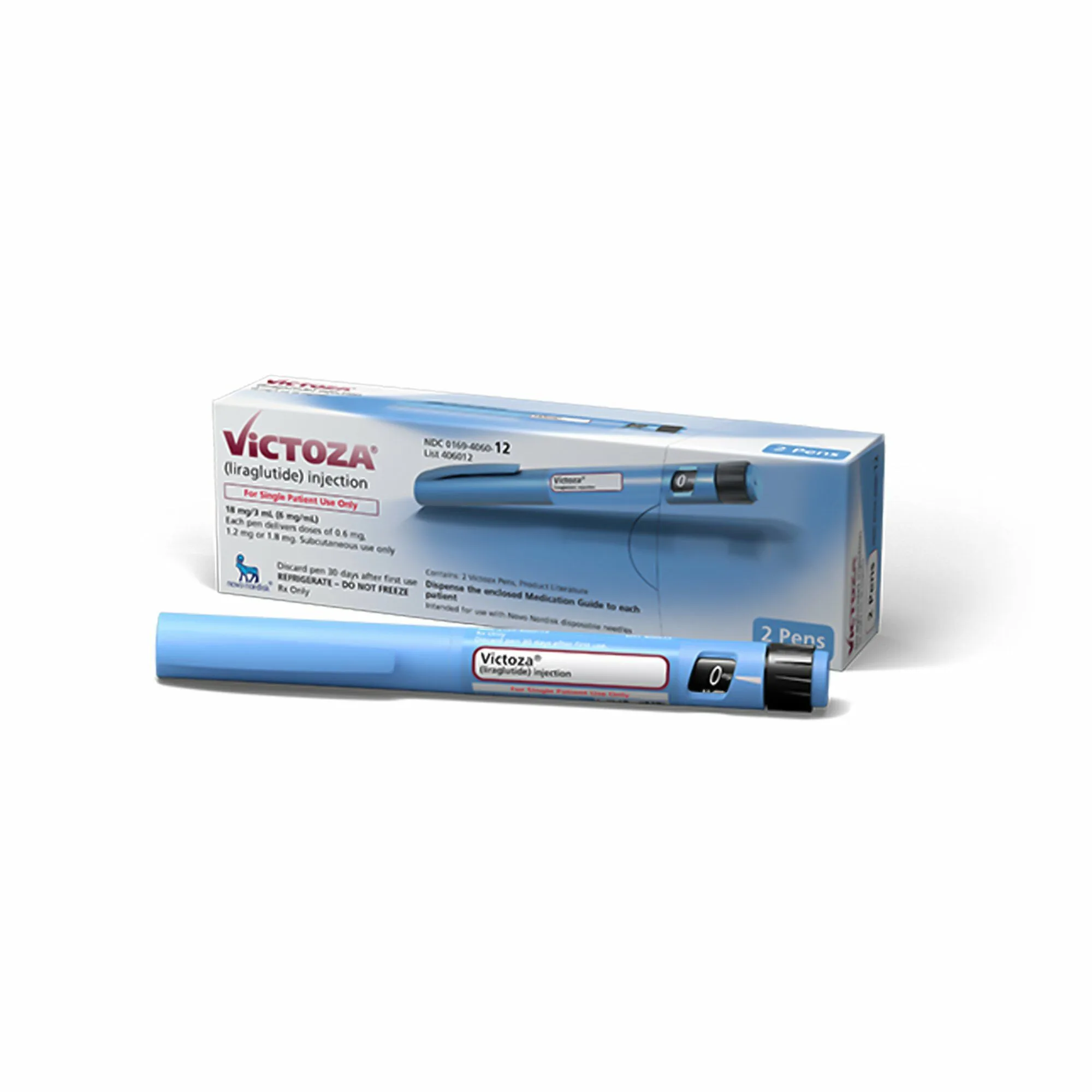
- Selecting the appropriate injection site is vital. Common sites include the deltoid muscle in the upper arm, the vastus lateralis muscle in the thigh, and the ventrogluteal muscle in the hip.
- Accurate needle placement is vital to avoid injury to blood vessels.
- Sterile technique should be maintained throughout the injection administration to prevent infection.
If you are uncertain about performing an intramuscular injection, it is always best to seek guidance from a qualified healthcare professional.
Hyaluronic Acid Injections: Uses and Advantages
Hyaluronic acid injections are a popular cosmetic procedure that can enhance the appearance of your skin. Hyaluronic acid is a naturally occurring substance in the body that holds moisture, making skin firmer. As injected into the skin, hyaluronic acid can alleviate wrinkles and creases, as well as hydrate the skin for a more glowing complexion.
- Pros of hyaluronic acid injections include: enhanced skin texture, reduced appearance of wrinkles and fine lines, increased skin hydration, as well as a more radiant look.
- Popular applications for hyaluronic acid injections include: treating facial wrinkles, contouring the cheeks and jawline, augmenting volume in the lips, and smoothing blemishes.
This procedure is important to consult with a qualified dermatologist or plastic surgeon to discuss your personal needs and goals before undergoing any hyaluronic acid injections.
Contraceptive Injections: Understanding Your Options
Seeking a reliable method of contraception? Shot-based contraception present a convenient and effective solution. These injections, typically administered every threeperiods, contain hormones that prevent ovulation, making pregnancy less likely. Understanding the different types of contraceptive injections available is essential in choosing the best option for your needs.
- Depo-Provera is a popular choice known for its long-lasting effects.
- Ethinyl estradiol and etonogestrel are small rods inserted under the skin, providing continuous contraception for up to threeyears.
Consult with your healthcare provider about the potential benefits and side effects of contraceptive injections to determine if they are suitable for you. Remember, informed decision-making is key to achieving your reproductive health goals.
Administering Intramuscular Injections
Intramuscular injections present a vital skill in healthcare. Mastering this technique involves understanding the anatomical sites and following strict sterile guidelines. Choosing the right injection site is essential to ensure successful medication administration. Typically used sites include the deltoid, vastus lateralis, ventrogluteal muscles. Always refer to a reference guide for accurate positioning. Before injecting, ensure the needle is at the suitable angle and injection length. After injection, discontinue the needle promptly and apply pressure to the site to minimize bruising. Monitor the patient for any adverse effects.
Injectable Therapies for Smoothing Wrinkles
Injectable therapies have become increasingly popular for reducing the appearance of wrinkles. These treatments typically involve injecting substances like Xeomin into specific areas of the face to temporarily paralyze underlying muscles that cause Fine lines. Other injectables, such as Hyaluronic acid, work by plumping up the skin and restoring lost volume, thus smoothing out wrinkles and enhancing facial contours. The choice of injectable therapy Is influenced by individual needs and desired outcomes. It's important to consult with a qualified Dermatologist to discuss the best options for your specific Skin type.
Depo Provera Shots
Contraceptive injections work by releasing synthetic hormones, primarily progesterone, into your framework. These hormones prevent ovulation, thicken cervical mucus to hinder sperm from reaching the egg, and thin the uterine lining, making it less likely for a fertilized egg to implant. Injections are typically administered each three months, providing reliable contraception for an extended period.